Sandwich Fabric Products


A Brief Guide: Types and Uses of Sandwich Fabrics
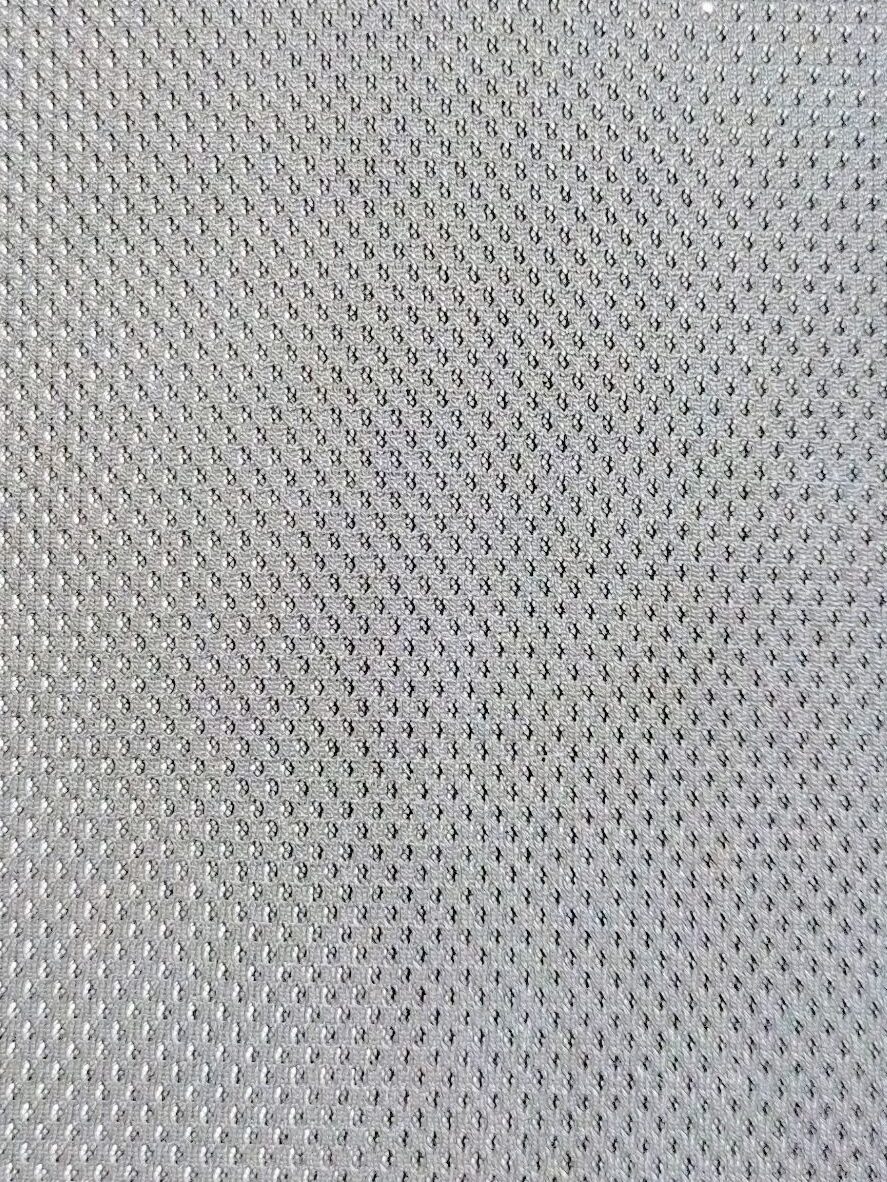
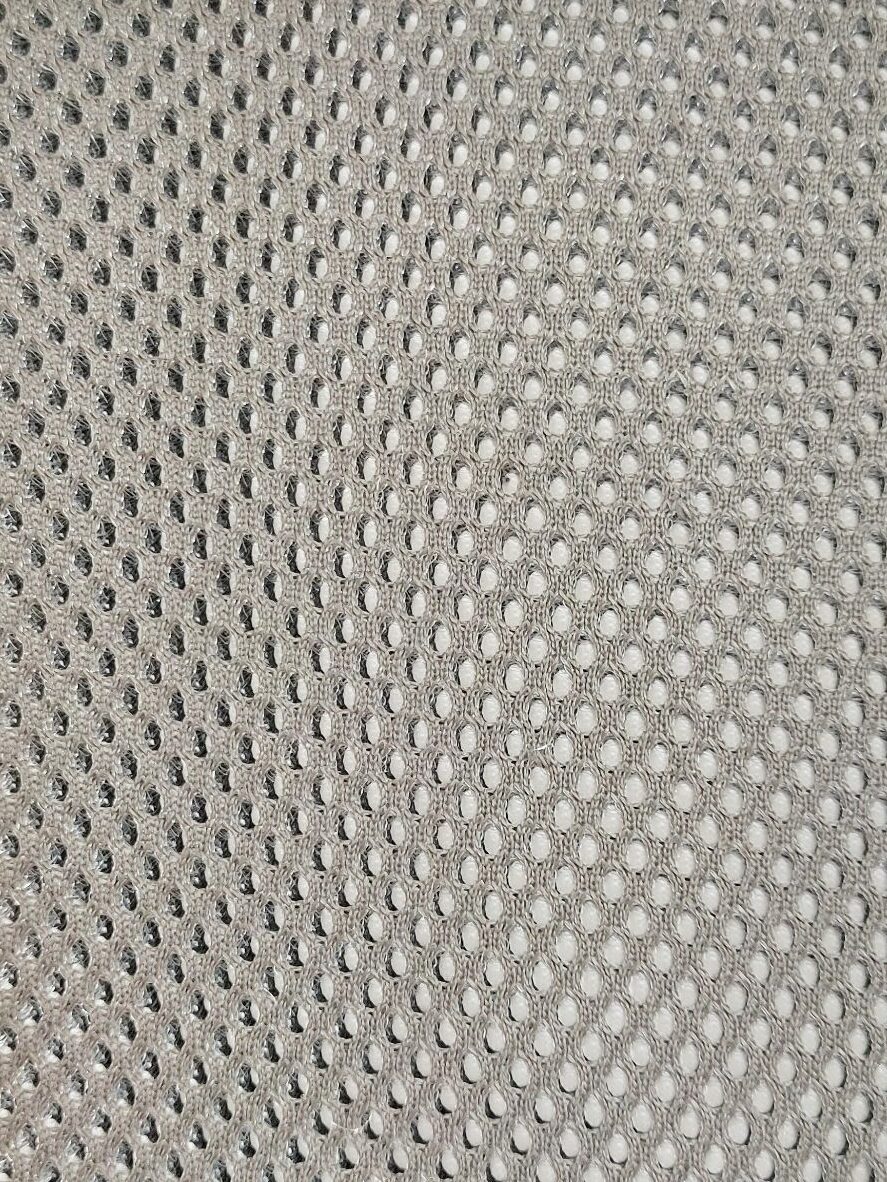
Sandwich Fabric is a type of textile composed of a three-layer structure, typically including a top layer, a middle padding layer, and a bottom layer. This fabric structure is stable and offers good breathability, cushioning, and durability, making it widely used in various fields. Based on the materials and manufacturing processes, sandwich fabric can be classified into the following types:
1. Breathable Sandwich Fabric
Characteristics:
Breathable sandwich fabric is made from breathable mesh materials, typically including polyester fibers. It offers excellent ventilation and comfort. Here’s a brief overview:
Uses:
- Sportswear: Suitable for sportswear such as running gear, fitness apparel, and cycling jerseys that require good breathability.
- Footwear: Linings for sports shoes and casual shoes.
- Baby Products: Baby stroller liners, car seat cushions.
Elastic Sandwich Fabric
Characteristics:
Elastic Sandwich Fabric includes elastic fibers such as spandex, offering excellent elasticity and recovery.
Uses:
- Sportswear: Yoga pants, sports bras, and other garments that require high elasticity.
- Medical Supplies: Elastic bandages, support braces.
- Furniture Items: Sofa cushions, throw pillows.
3. Mesh Sandwich Fabric
Characteristics:
Mesh sandwich fabric features a mesh structure on both the top and bottom layers, with a cushioning middle layer providing excellent shock absorption.
Uses:
- Sports Equipment: Sports bags, protective gear.
- Furniture Items: Seat cushions, car seat pads.
- Footwear: Insoles, shoe linings.
4. Carbon Fiber Sandwich Fabric
Characteristics:
Carbon fiber sandwich fabric is lightweight, high-strength, and durable, often used in fields requiring high-performance materials.
Uses:
- Sports Equipment: Bicycle frames, tennis rackets.
- Aerospace: Aircraft interior structures, drone exteriors.
- Automotive Industry: Car interior components, body structures.
5. Cooling Sandwich Fabric
Characteristics:
Cooling sandwich fabric is made using special materials and processes, offering excellent heat dissipation and a cooling effect.
Uses:
- Summer Clothing: Cooling T-shirts, cooling underwear.
- Pet Supplies: Cooling pet mats, cooling pet clothing.
- Home Goods: Cooling mattress pads, cooling pillow covers.
6. Waterproof Sandwich Fabric
Characteristics:
Waterproof sandwich fabric has waterproof properties on the top and bottom layers, with a cushioning and supportive filling layer in the middle.
Uses:
- Outdoor Clothing: Waterproof jackets, raincoats.
- Sports Gear: Waterproof sports bags, waterproof shoes.
- Home Goods: Waterproof tablecloths, waterproof mats.
7. Fire Retardant Sandwich Fabric
Characteristics:
Fire-resistant sandwich fabric is made from fire-resistant materials and features flame-retardant properties, suitable for applications requiring high safety standards.
Uses:
- Protective clothing: Fire-resistant workwear, fire-resistant gloves.
- Public facilities: Fire-resistant seating, fire-resistant partitions.
- Automotive industry: Car interiors, fire-resistant mats.
8. Thermal Sandwich Fabric
Characteristics:
Insulating sandwich fabric: The filling layer is typically made of insulating materials such as down or synthetic fibers, providing excellent warmth.
Uses:
- Winter clothing: Insulated jackets, down coats.
- Outdoor gear: Insulated sleeping bags, thermal mats.
- Home products: Insulated mattresses, thermal cushions.
Sandwich fabrics have become essential materials in modern textiles due to their versatility and varied applications. Depending on specific needs and usage scenarios, selecting the appropriate sandwich fabric can achieve optimal performance and user experience.

 English
  繁體中文
繁體中文